
Heat exchanger
Heat exchanger - a device in which heat is transferred from a hot coolant to a cold one through a dividing wall.
Types
- shell-and-tube - the most common type in oil refining;
- plate - compact, highly efficient, for clean environments;
- air (air coolers) - air cooling through finned pipes;
- spiral and coil - for viscous and contaminated media;
- “pipe in pipe” - for low flow rates and high pressures.
Heat recovery
A properly designed heat exchanger system returns most of the heat from the process streams to the process. It is recovery that determines the consumption of fuel in the furnace and steam in the columns, therefore in projects it is considered as a single heating network.
What affects work
- contamination and scale on the surface - the heat transfer coefficient decreases;
- corrosion - requires selection of materials and wall thickness;
- temperature deformations and compensators;
- pressure difference on the sides of the device.
Calculation and selection
The basis is the thermal balance and the required temperature pressure. Next, the surface, number of strokes, flow pattern (counterflow is preferable) and materials are selected. For viscous media and crystallizing solutions, check the flow rate to avoid deposits.
Watch projects
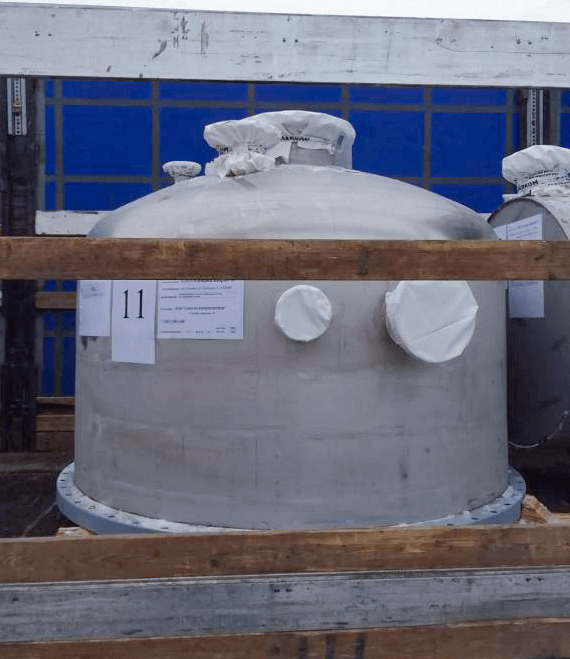
Completed
Rectification Column with a Set of Heat Exchangers
Ganja-Sharab-2 OJSC
Azerbaijan


