Crystallization
Crystallization - the process of formation and growth of solid phase crystals from a supersaturated solution, melt or gas phase.
How's it going?
The process begins when there is supersaturation: supercooling, evaporation of the solvent, or a change in composition. Nucleation is followed by crystal growth. Controlling the ratio of speeds of these stages determines the size of the crystals and their purity.
Methods
- cooling the solution or melt;
- evaporation of the solvent - often in vacuum crystallizers;
- salting out and introduction of anti-solvent;
- vacuum crystallization using the heat of evaporation;
- Fractional crystallization for the separation of mixtures.
Where is it used?
Crystallization is a method of obtaining pure mothballs, salts, fertilizers, pharmaceutical substances and food products. In petrochemistry, it is used for dewaxing and separation of individual hydrocarbons.
Equipment
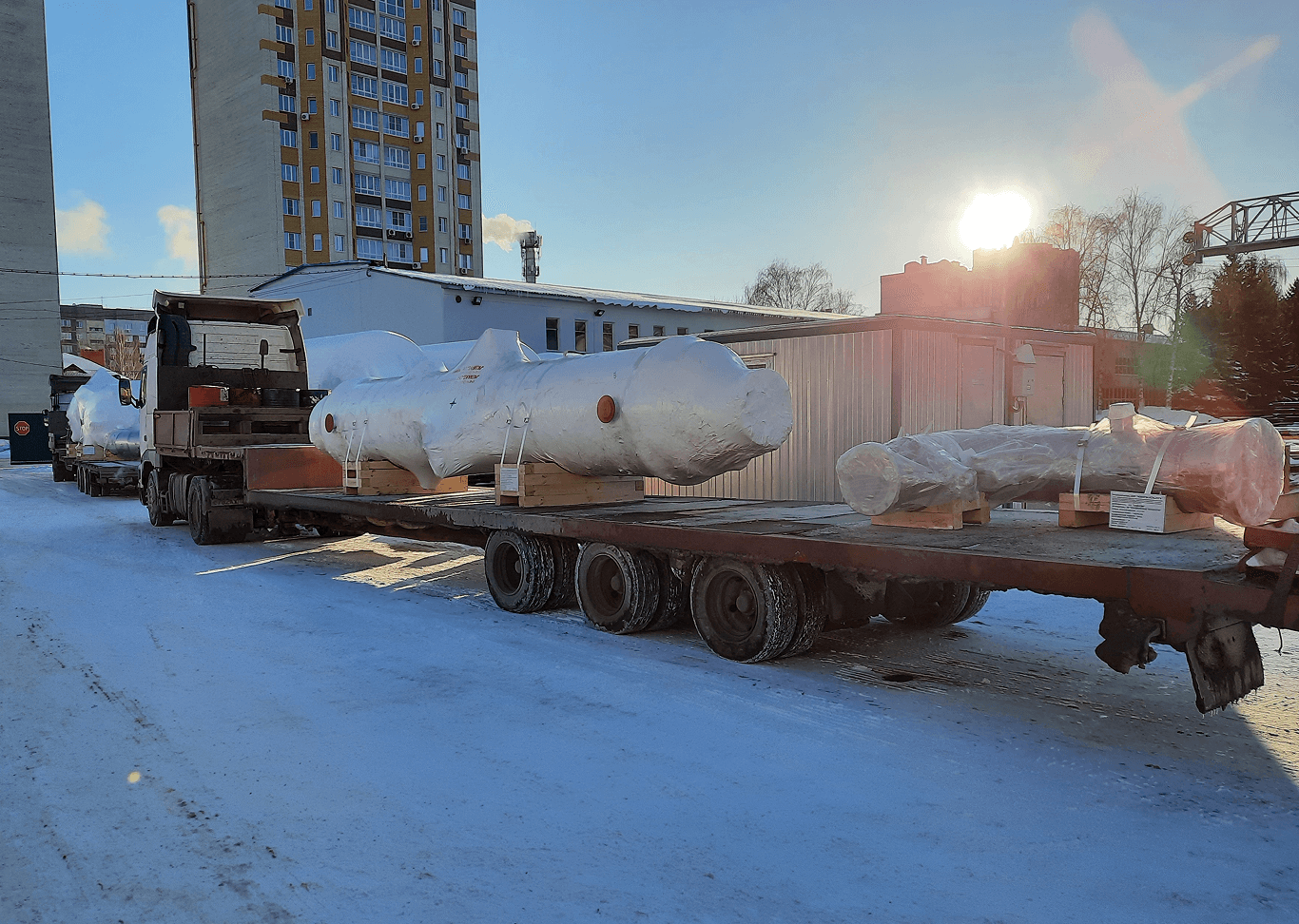
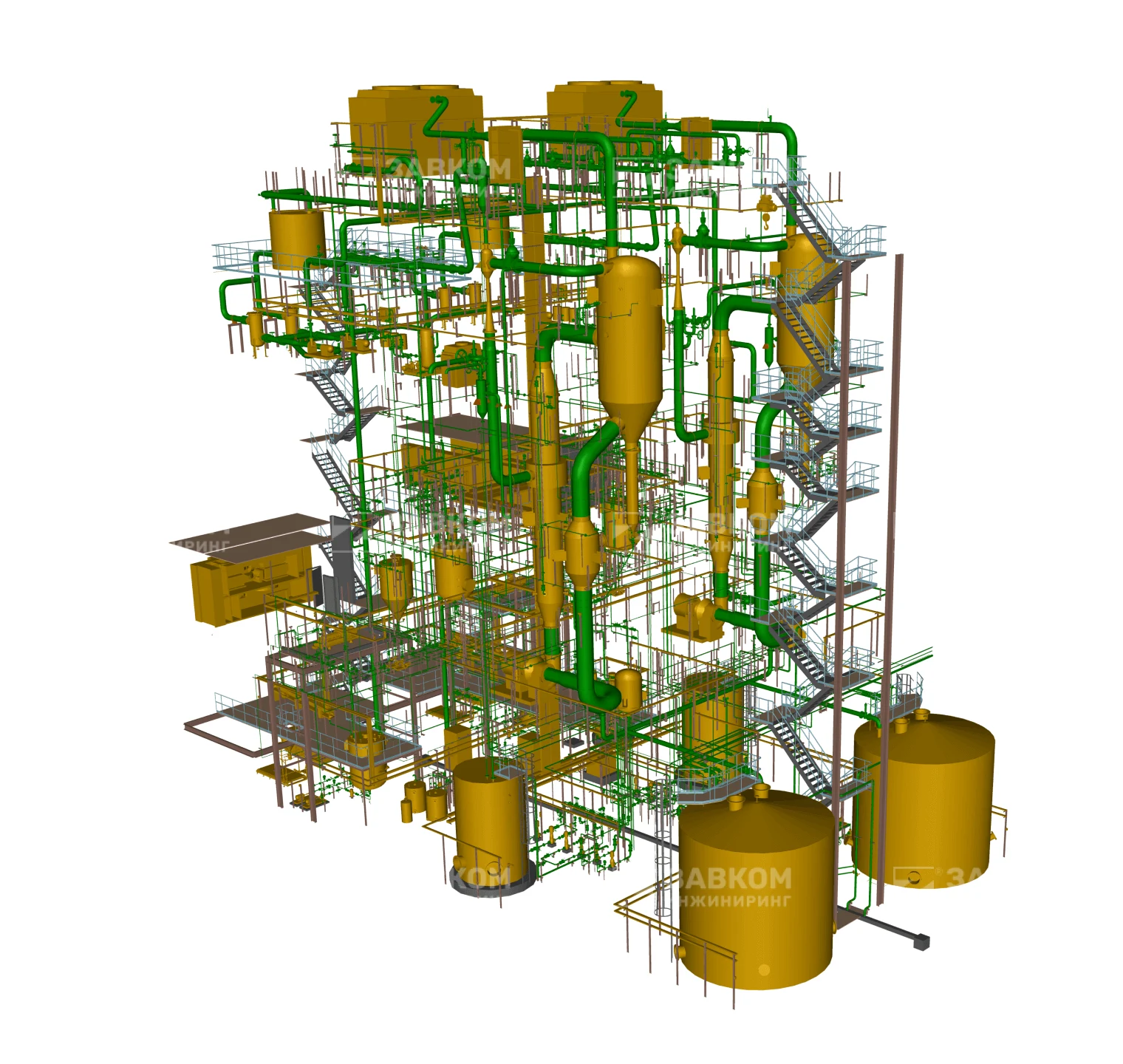
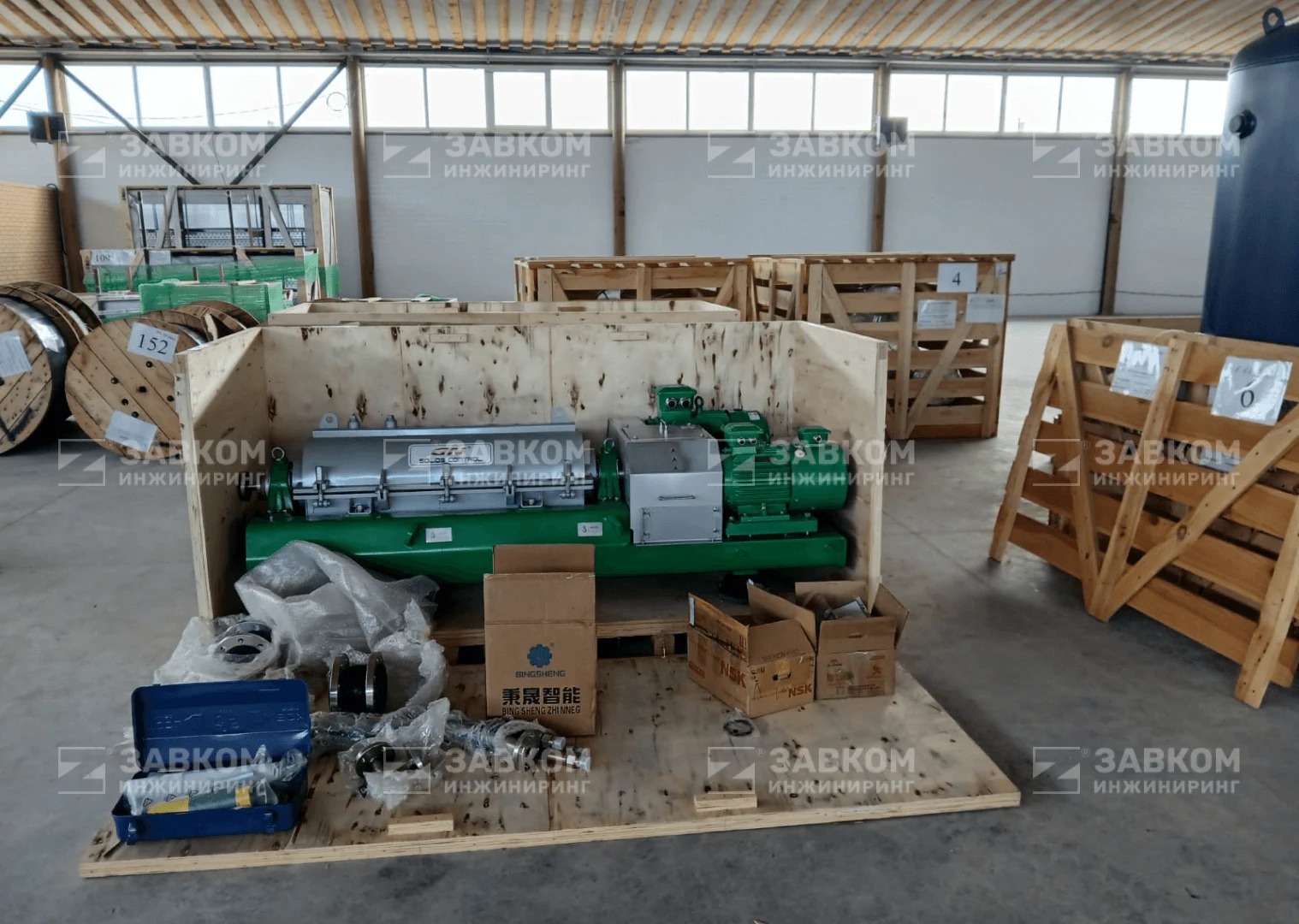
Crystallizers are available with and without stirring, continuous and periodic operation, with internal and external heat exchangers. For viscous media and high throughputs, multi-body and cascade schemes are used. After crystallization, the product is separated using centrifuges or filters and dried.
Видеообзор
Watch projects