
Formalin
Formalin - an aqueous solution of formaldehyde, usually with a concentration of 37–40%, stabilized with methanol.
Chemical formula
CH₂OComposition and properties
Formalin is a clear liquid with a pungent odor, with a density of about 1.1 g/cm³. Methanol is added to prevent polymerization: without it, formalin becomes cloudy and forms paraformaldehyde. The content of methanol is limited separately, as it is toxic.
How do you get it?
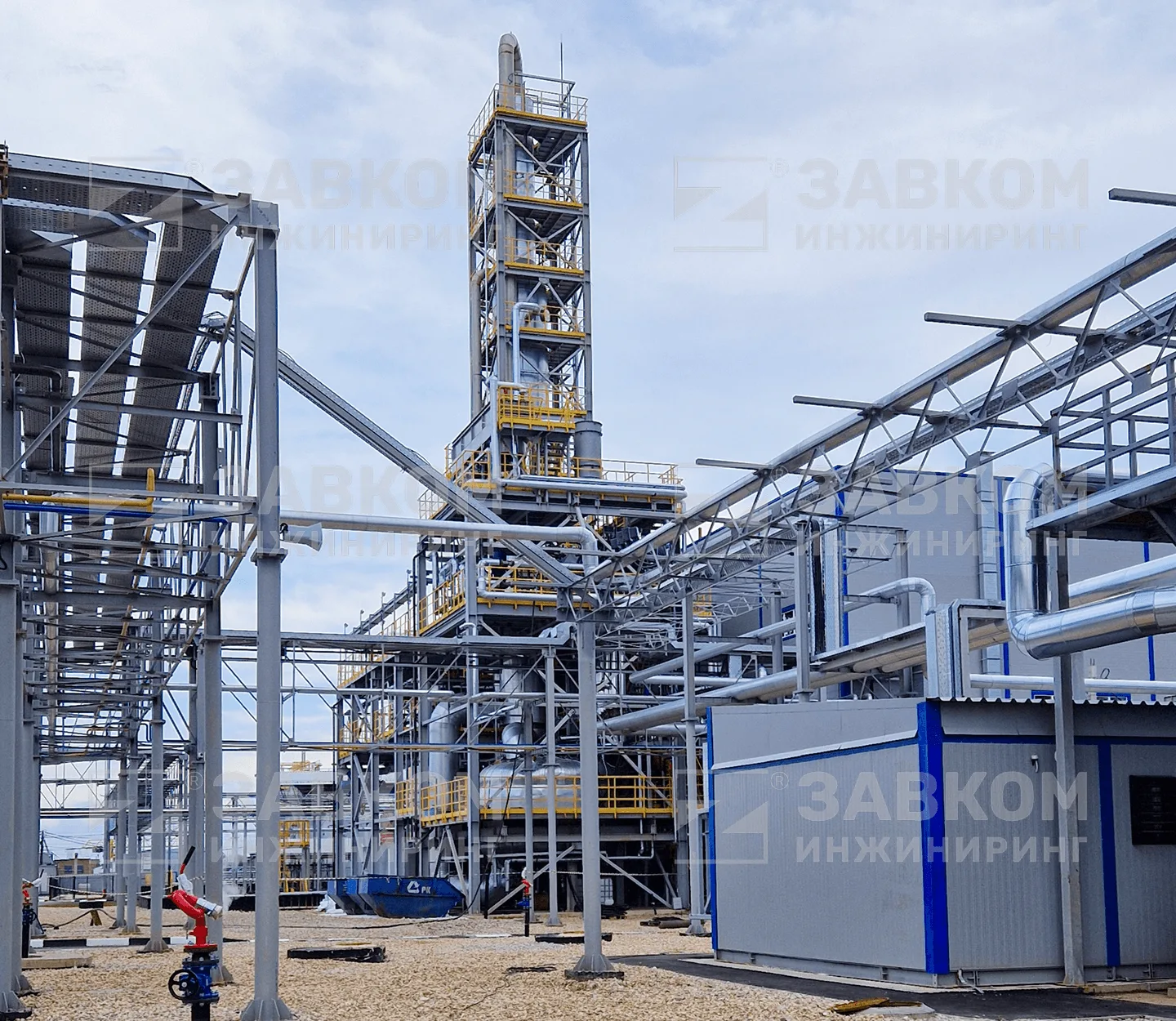
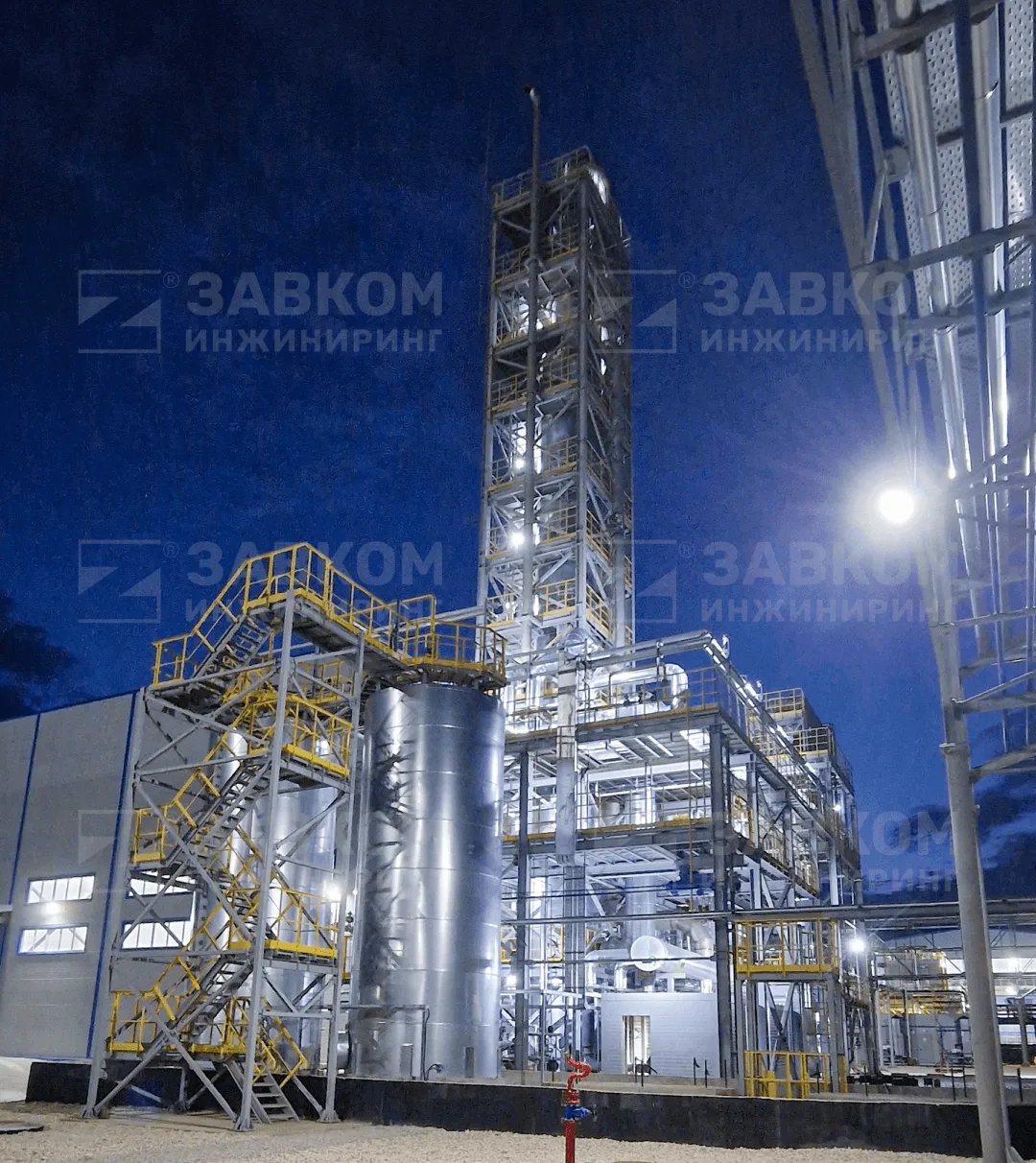
The main method is the oxidation of methanol with air on a silver or iron-molybdenum catalyst at a temperature of about 600–700 °C, followed by the absorption of water. The regimen can be alcohol or “methanol in formaldehyde”. The installation contains a reactor, waste heat boiler, absorber, rectification and storage units.
Application
- production of urea-formaldehyde resins;
- production of urea-formaldehyde concentrate (UCF);
- phenol-formaldehyde resins and other polymers;
- adhesives for woodworking;
- preservatives and disinfectants.
Security requirements
Formaldehyde is toxic and carcinogenic, so working with formaldehyde requires ventilation, sealed equipment and protective equipment. Discharges and blow-offs containing formaldehyde require treatment—usually thermal decontamination.
Модель установки
Видеообзор
Watch projects


