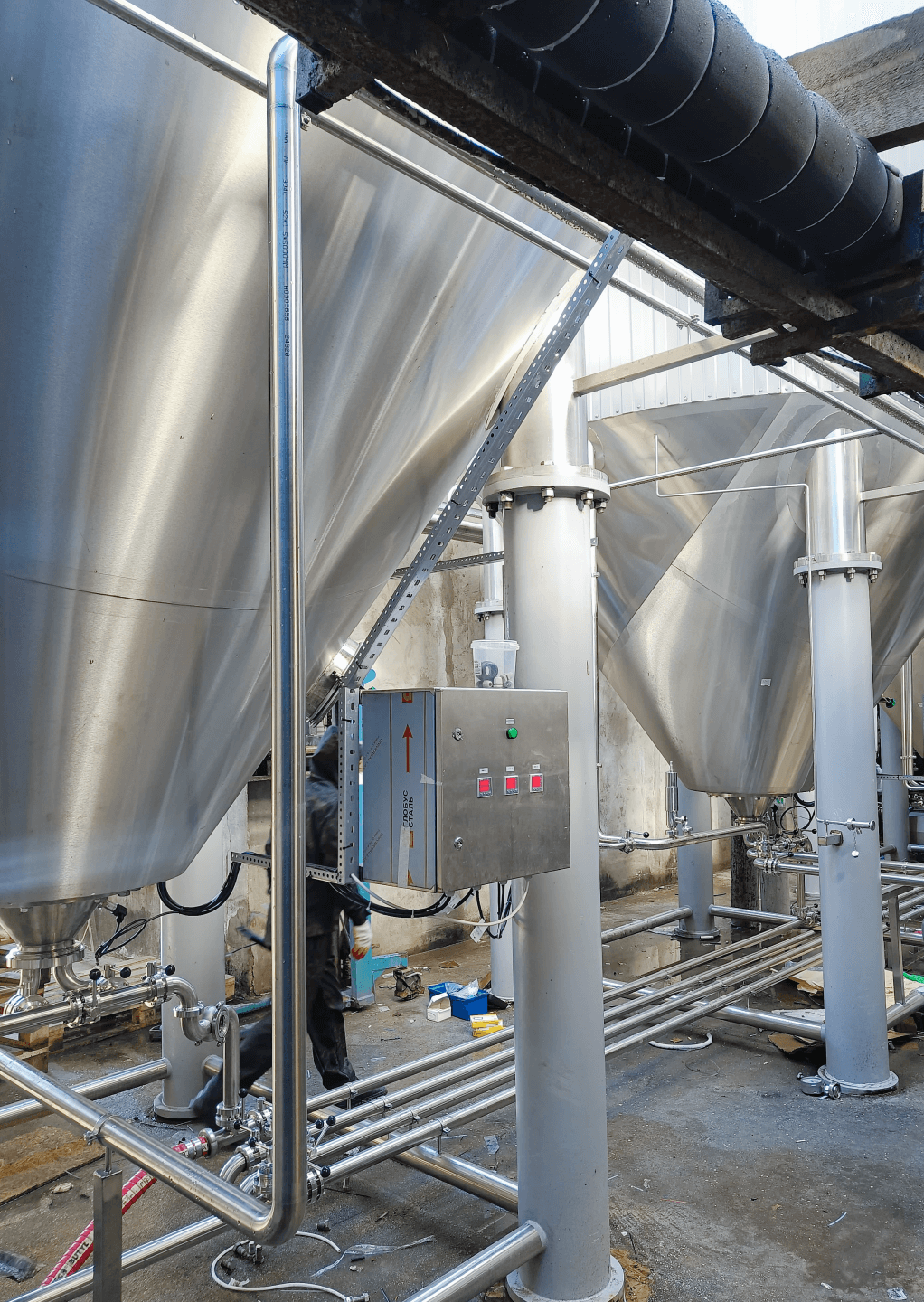
Fermentation
Fermentation - a controlled biochemical process in which microorganisms or their enzymes convert raw material components into target products: alcohol, organic acids, gases, biomass and feed components.
The essence of the process
Fermentation is based on the work of enzyme systems of microorganisms. The substrate containing fermentable and digestible substances is sown with a culture that consistently processes it into a given product. The process takes place in apparatus under controlled conditions and is completed when the substrate is exhausted or the required product concentration is reached.
Basic parameters
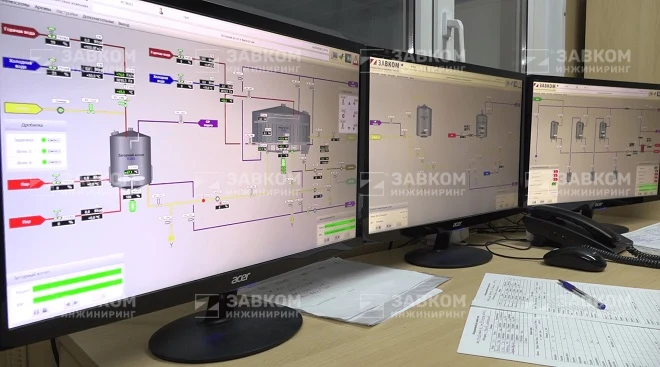
The fermentation mode is set by technological regulations. Deviation of parameters changes the ratio of products and can lead to spoilage of the batch.
- ambient temperature and its stability;
- acidity and buffer capacity;
- concentration of substrate and seed;
- oxygen access or lack thereof;
- the duration of the process and the moment of its completion.
Preparation and maintenance
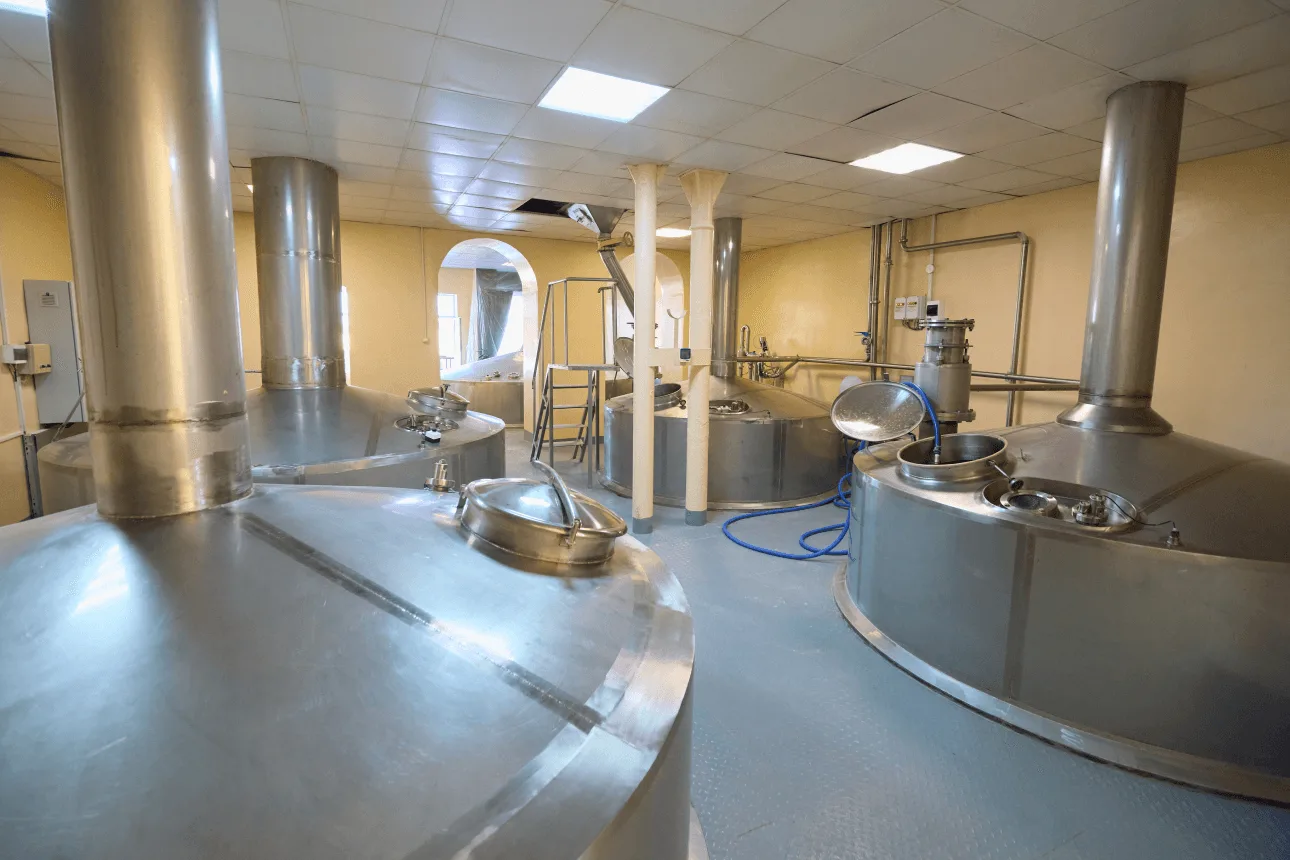
Before starting, the environment is prepared: the components are dissolved, the acidity is adjusted, and, if necessary, sterilized and cooled. The seed material is added in a given proportion, after which the process is carried out with mixing and heat removal, which is emitted by microorganisms.
Applications in industries
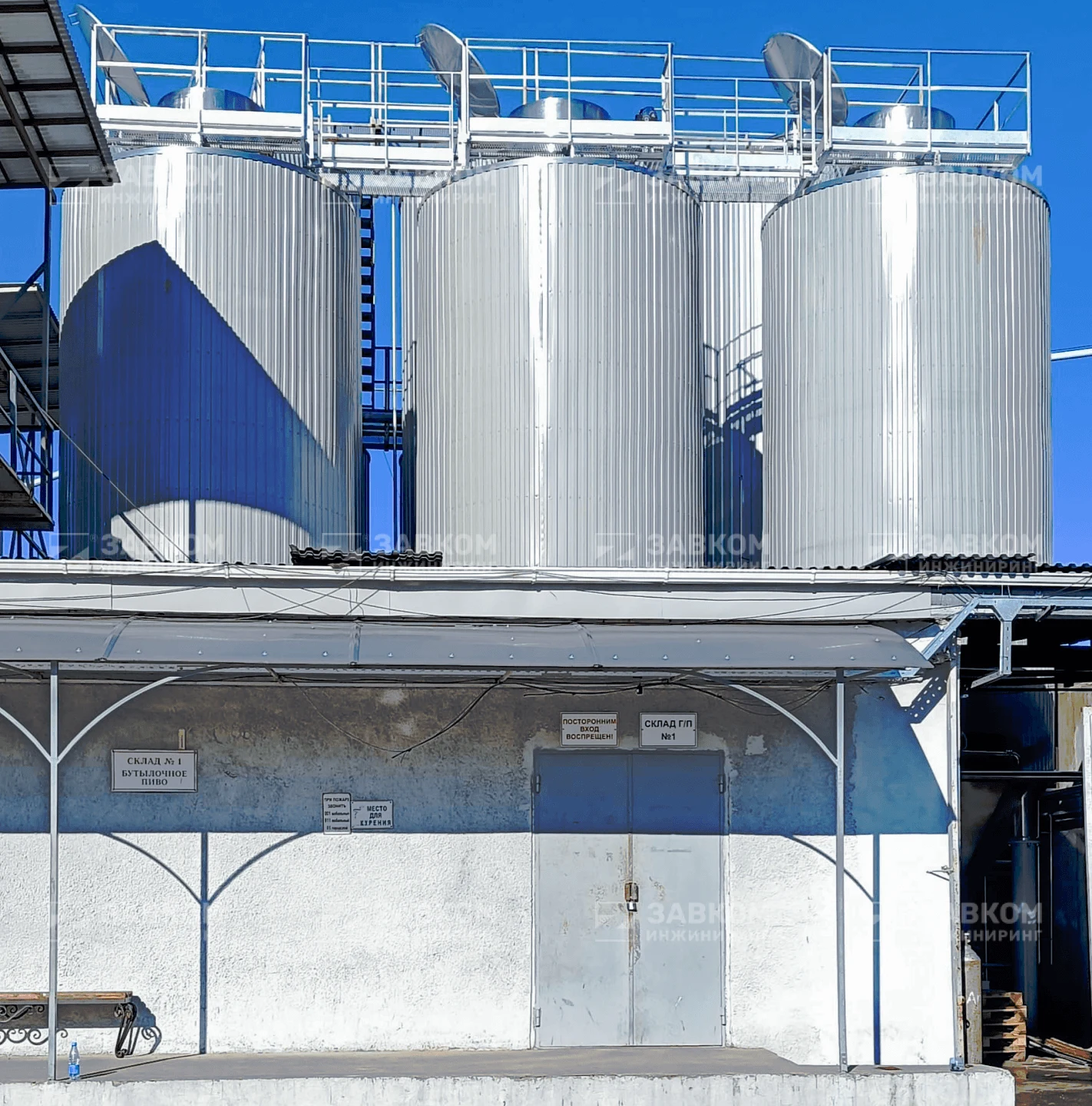
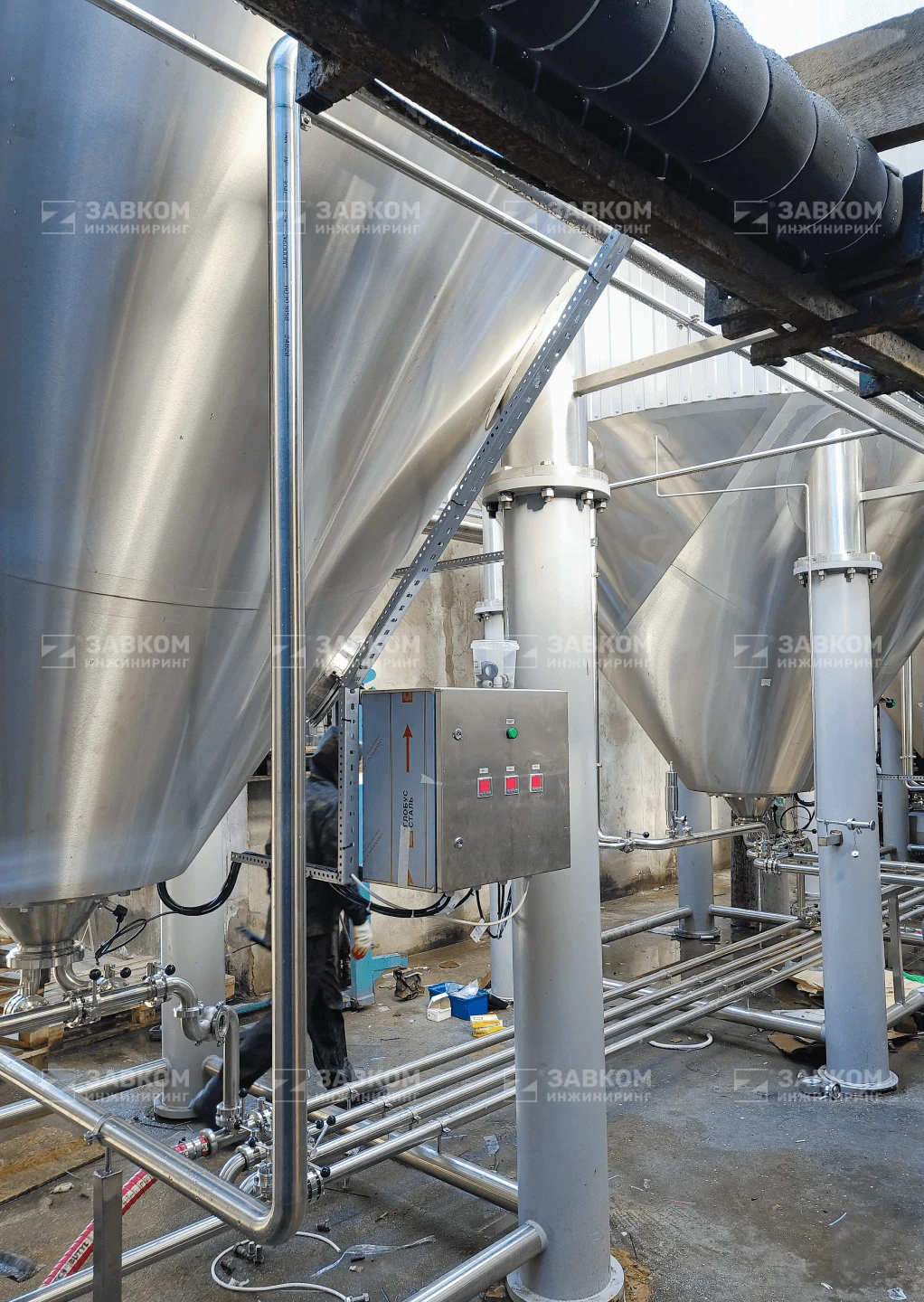
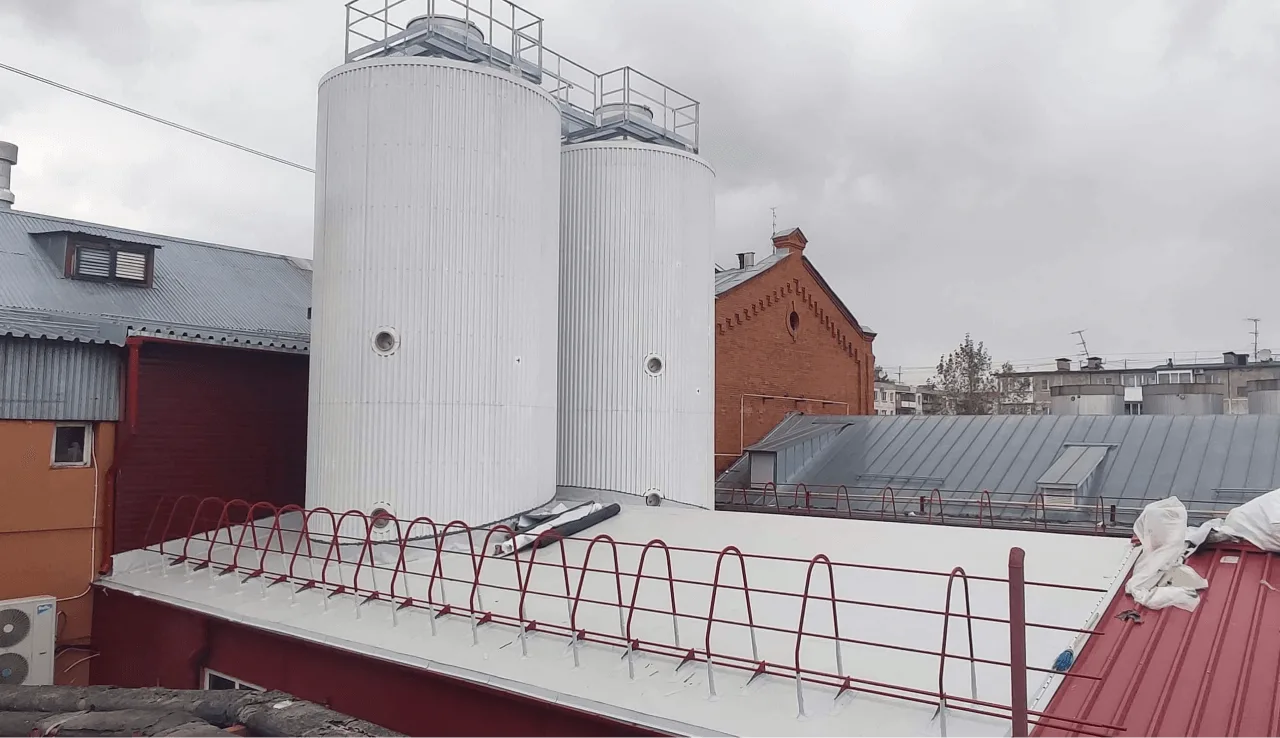
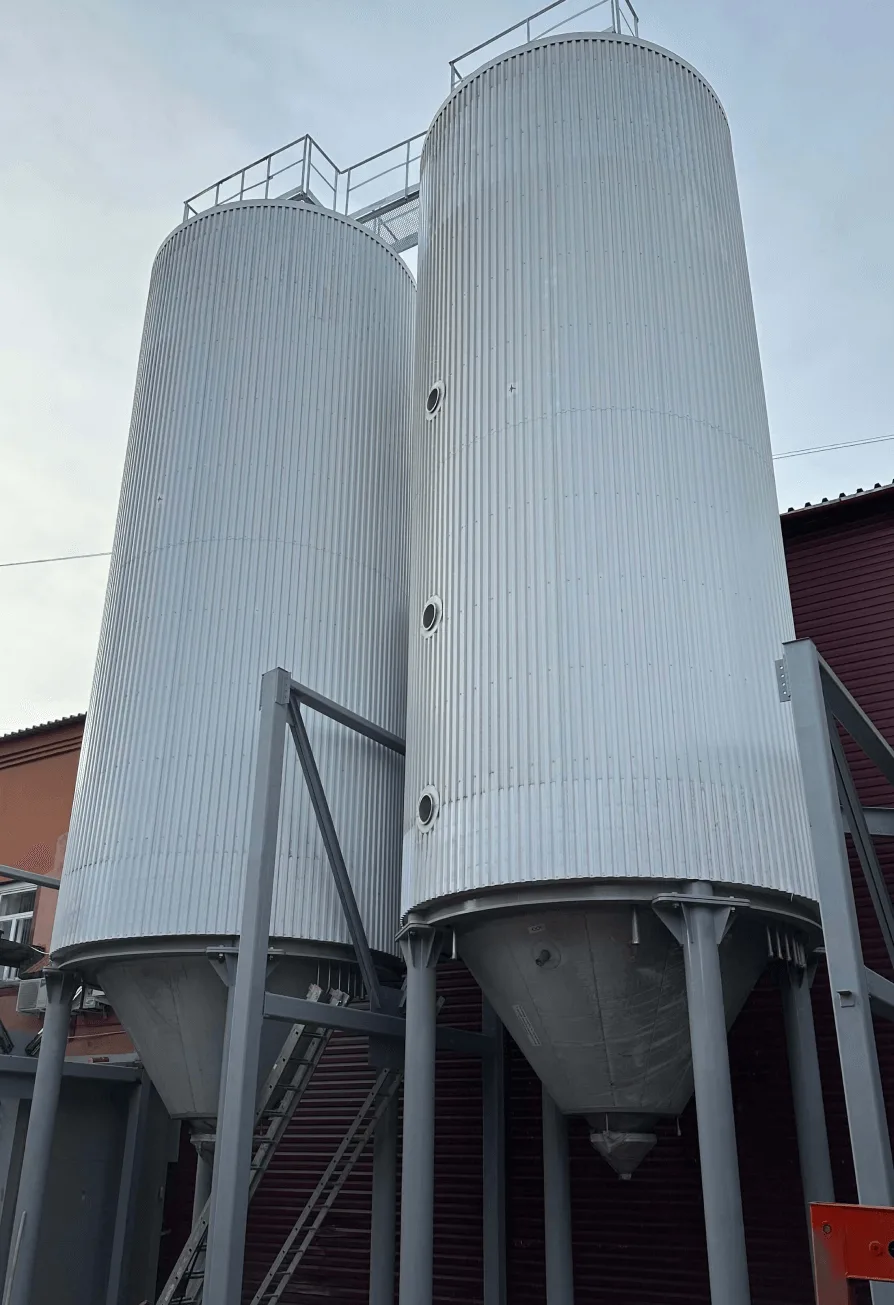
Fermentation is used in alcohol production, brewing, in the production of feed additives and highly processed grain products. The same hardware principle allows you to obtain different products due to the choice of culture and conditions.
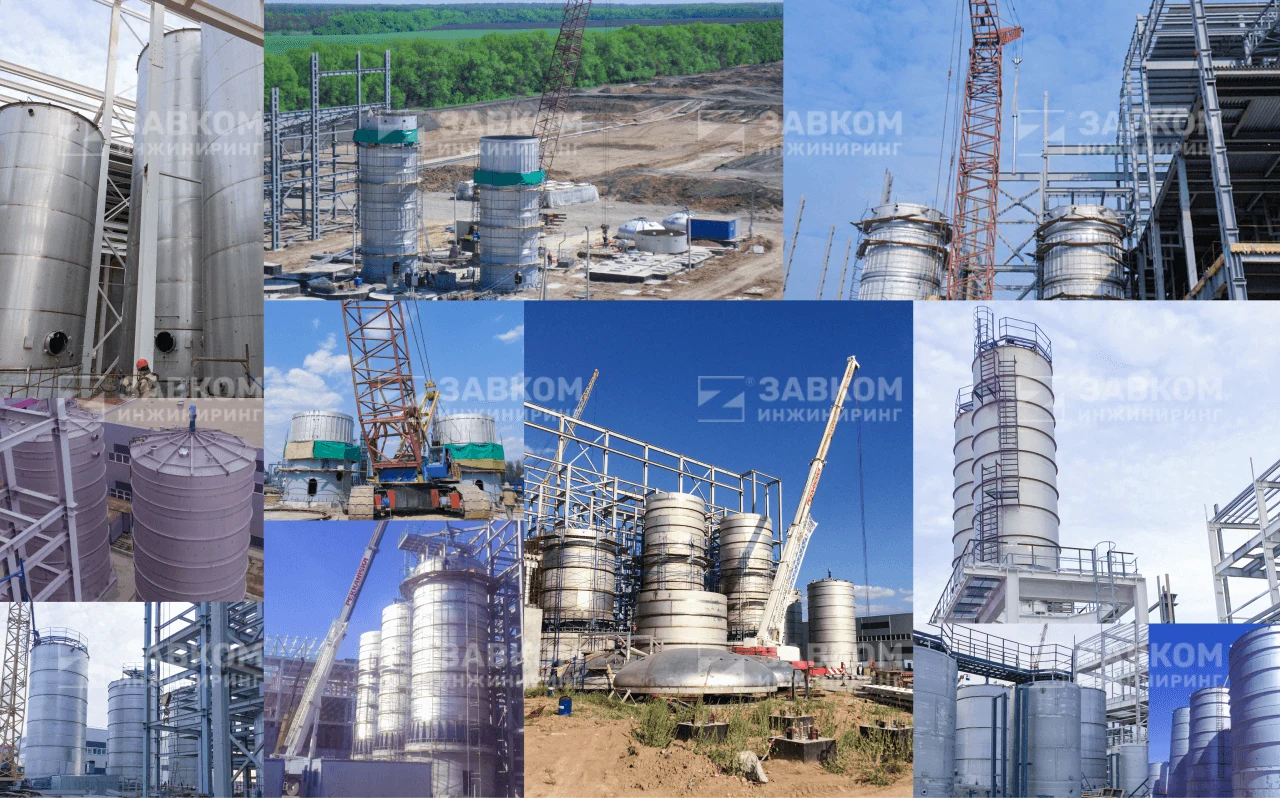
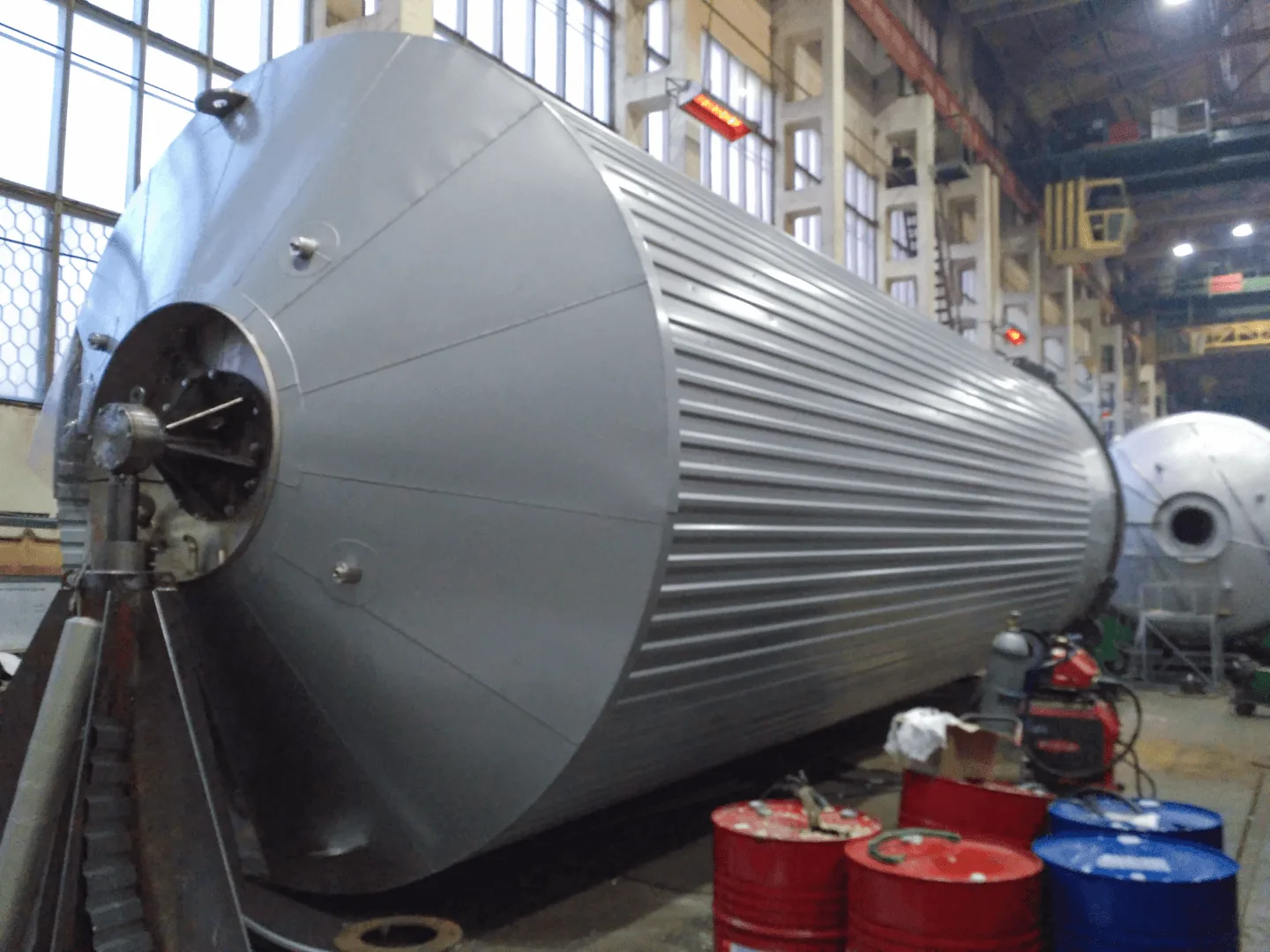
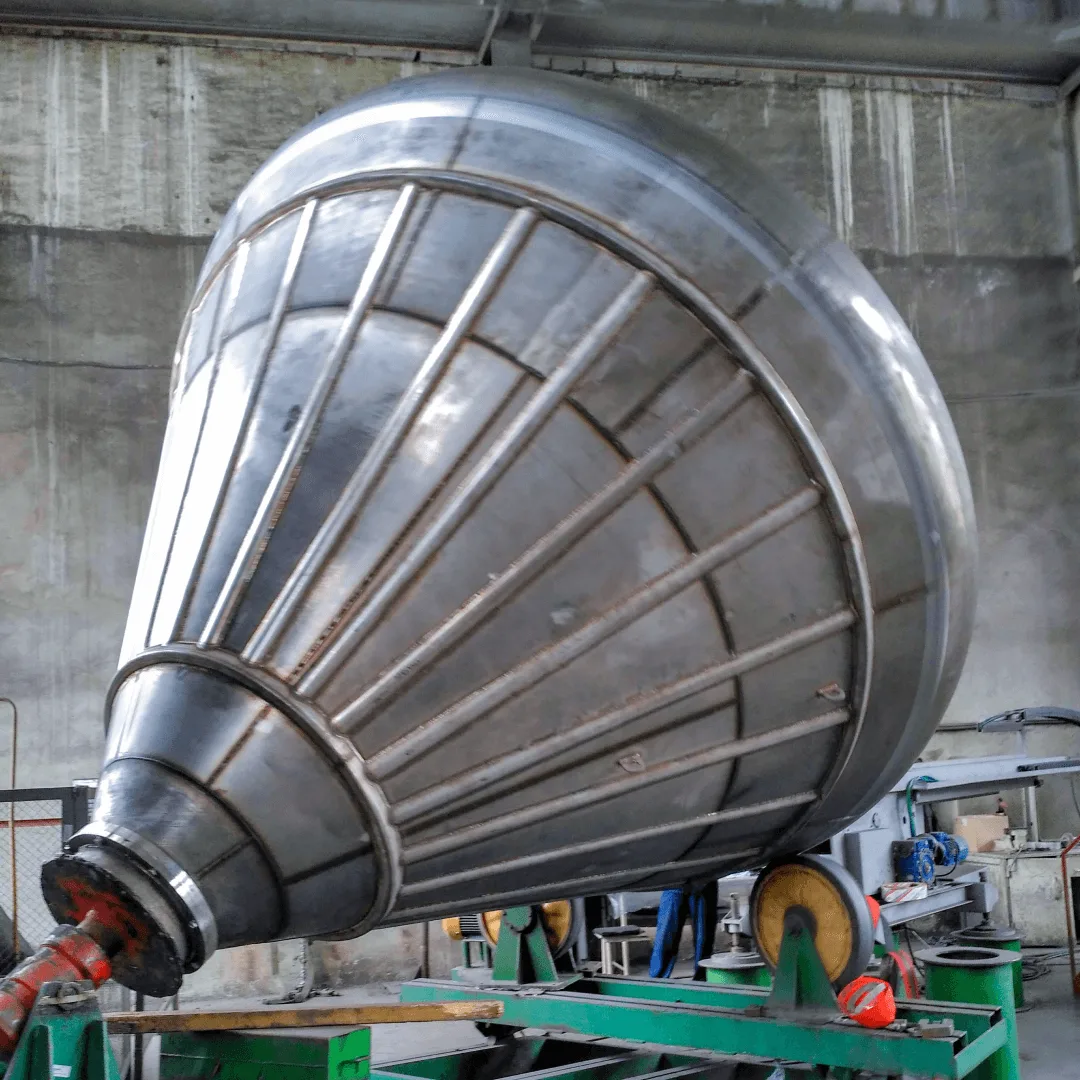
Watch projects