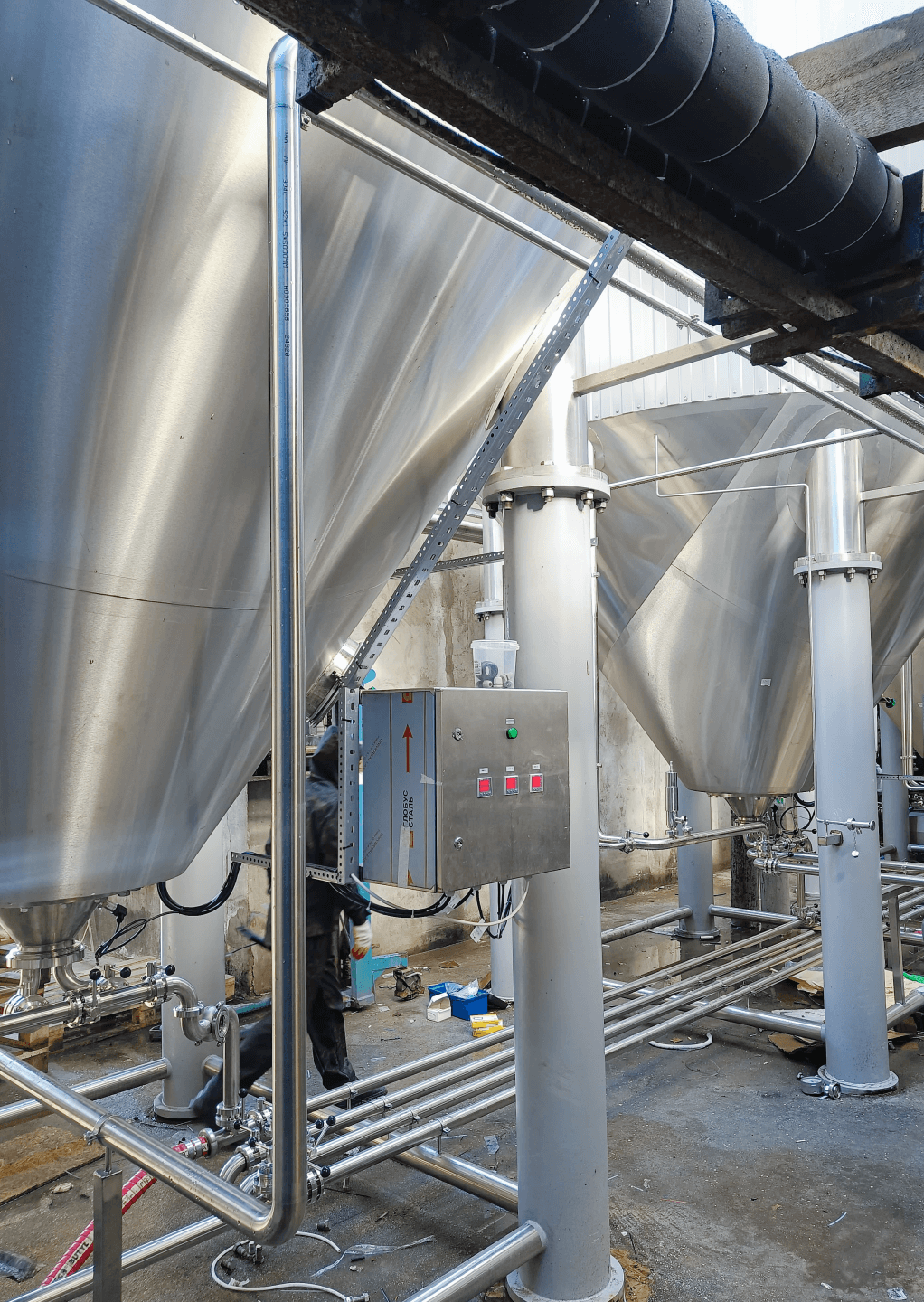
Fermentation
Fermentation - an anaerobic biochemical process in which microorganisms break down carbohydrates to form alcohol, carbon dioxide and by-products, obtaining energy for their own life.
Mechanism
During alcoholic fermentation, yeast converts simple sugars into ethanol and carbon dioxide. Part of the carbon is spent on biomass growth and the synthesis of by-compounds, which form the taste and aroma of the product. Oxygen is not required at this stage, and its excess switches metabolism to respiration and reduces the yield of alcohol.
Conditions
- suitable temperature and its consistency;
- acidity of the environment is within the acceptable range;
- sufficient concentration of fermentable sugars;
- availability of nitrogen and mineral nutrition;
- absence of inhibitors and foreign microflora.
Types of fermentation
There are alcoholic, lactic acid, butyric acid and other types of fermentation. Their type is determined by the culture of microorganisms and environmental conditions, and the target product is determined by the production technology.
Control
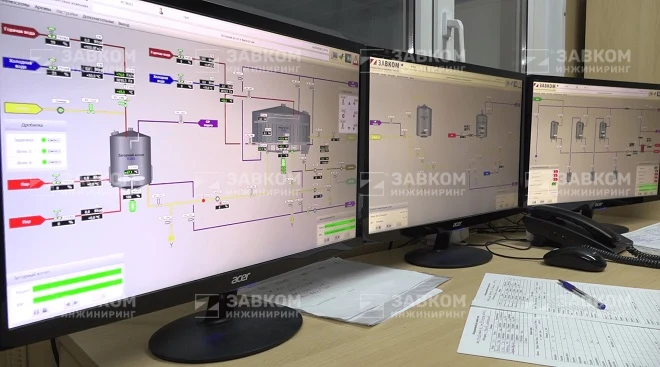
The progress of fermentation is monitored by the density of the medium, temperature, gas evolution and alcohol content. Timely detection of deviations allows you to maintain product yield and avoid the development of foreign microflora.
Watch projects