
Laboratory ZAVKOM-ENGINEERINGcompleted comprehensive work on the biotechnological processing of sulfite liquor into bioethanol.
Sulfite liquor is a large-tonnage liquid waste from pulping at pulp and paper industry enterprises (PPI). Its industrial processing into ethyl alcohol simultaneously solves the problems of environmentally friendly waste disposal and obtaining a valuable product.
STAGES OF RESEARCH AND WORK
- Selection and adaptation of microorganisms
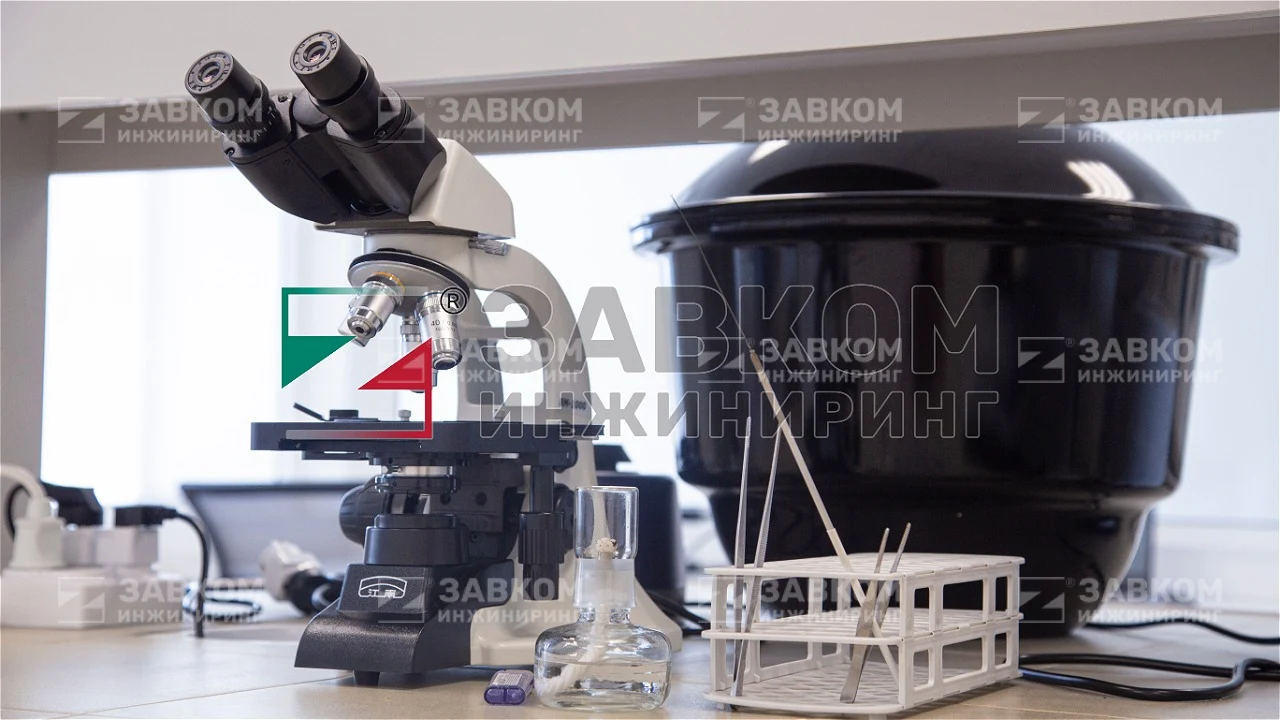
Three yeast strains with different substrate specificities were selected for microbiological fermentation. This approach ensured that the entire spectrum of carbohydrates present in the liquor was processed, including hexose and pentose sugars.
The key stage was the adaptation of the strains to the conditions of sulfite liquor, which differ significantly from standard laboratory environments and contain a number of inhibitors:
- lignosulfonates
- organic acids
- sulfur compounds
- furfurals
- 5-hydroxymethylfurfural
To overcome this barrier, the methodology of evolutionary stepwise engineering was used: strains were gradually cultivated in media with an increasing proportion of alkali, gradually developing resistance to inhibitors. As a result, unique adapted cultures were obtained that were able to work effectively in conditions of undiluted substrate.
- Fermentation and distillate production
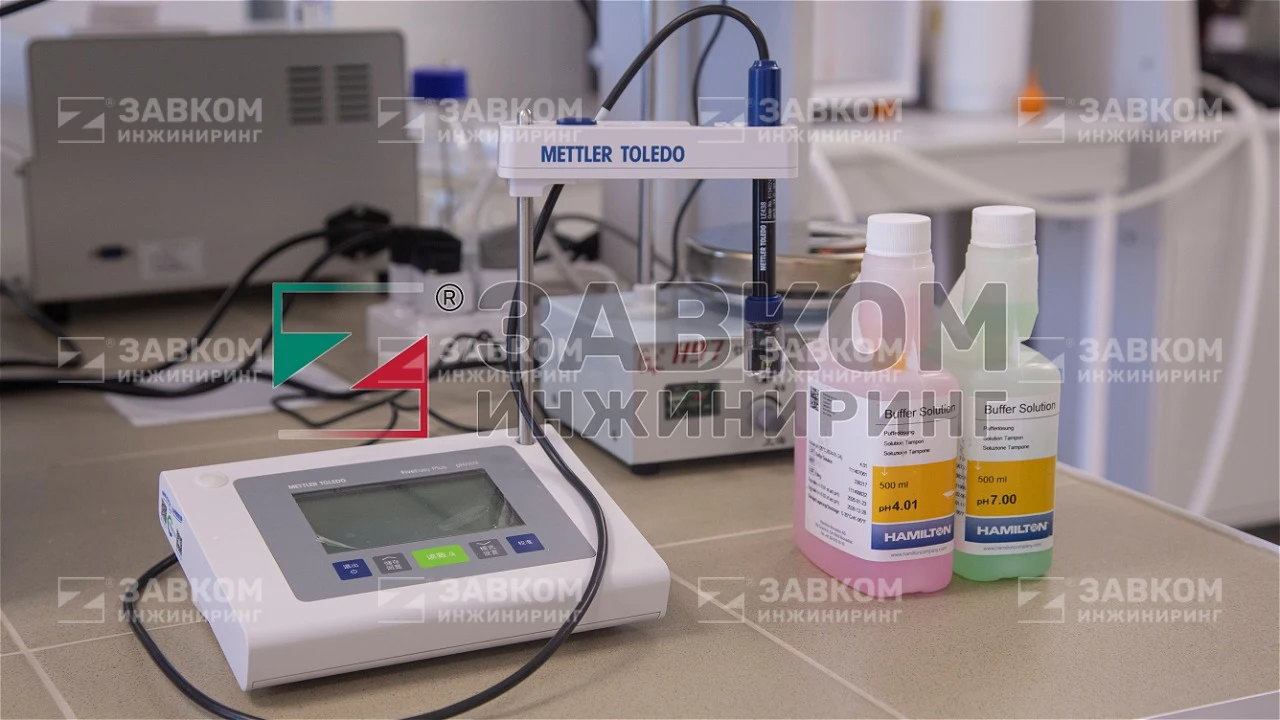
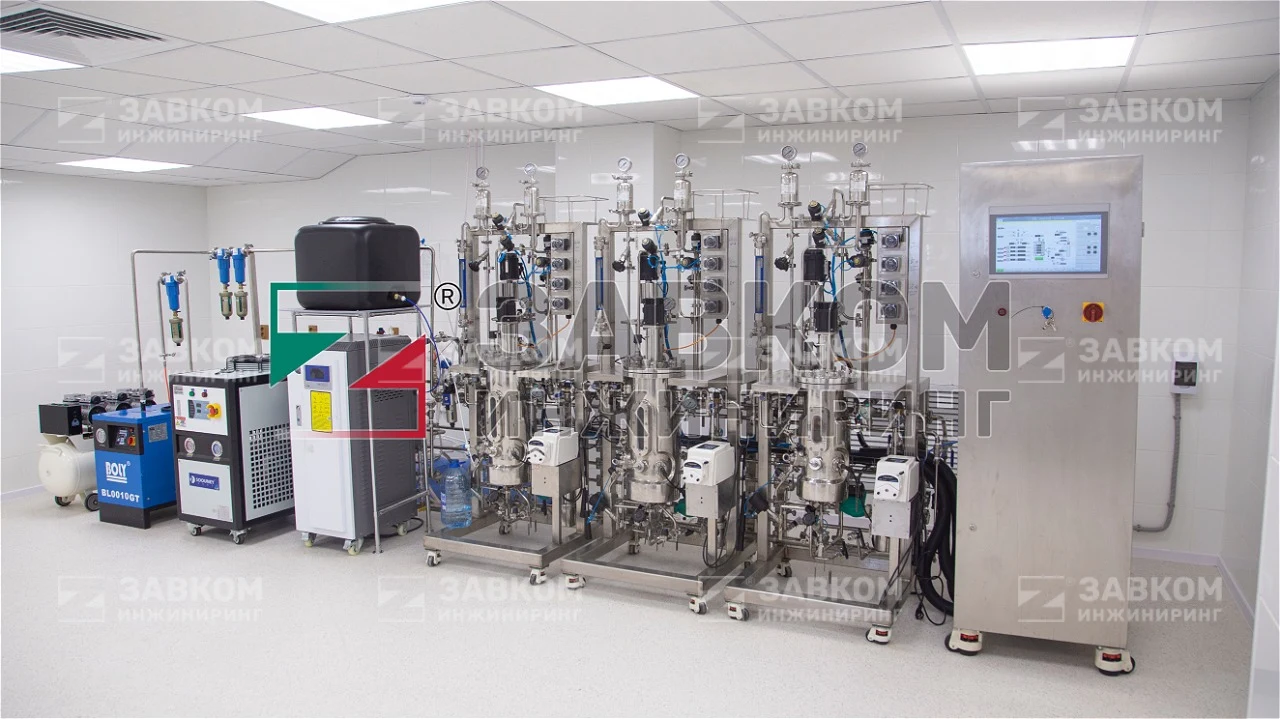
Adapted strains were used for fermentation of sulfite liquor in laboratory conditions. Upon completion of fermentation, distillates were obtained from the resulting brews and underwent complex analytical analysis. The yield of ethanol, the degree of utilization of reducing substances and the efficiency of the process were assessed.
- Technical and economic assessment (feasibility study)
Based on the experimental data obtained, the specific costs of main and auxiliary raw materials, as well as energy resources, were calculated in terms of one ton of ethyl alcohol. The obtained indicators serve as the basis for assessing the feasibility of industrial scaling of the process.
PROSPECTS FOR IMPLEMENTATION IN INDUSTRY
Laboratory studies confirm the high efficiency of ethanol production from sulfite liquor using adapted yeast cultures. The results are presented in a report for the Customer and can serve as the basis for conducting pilot tests at pulp and paper enterprises.